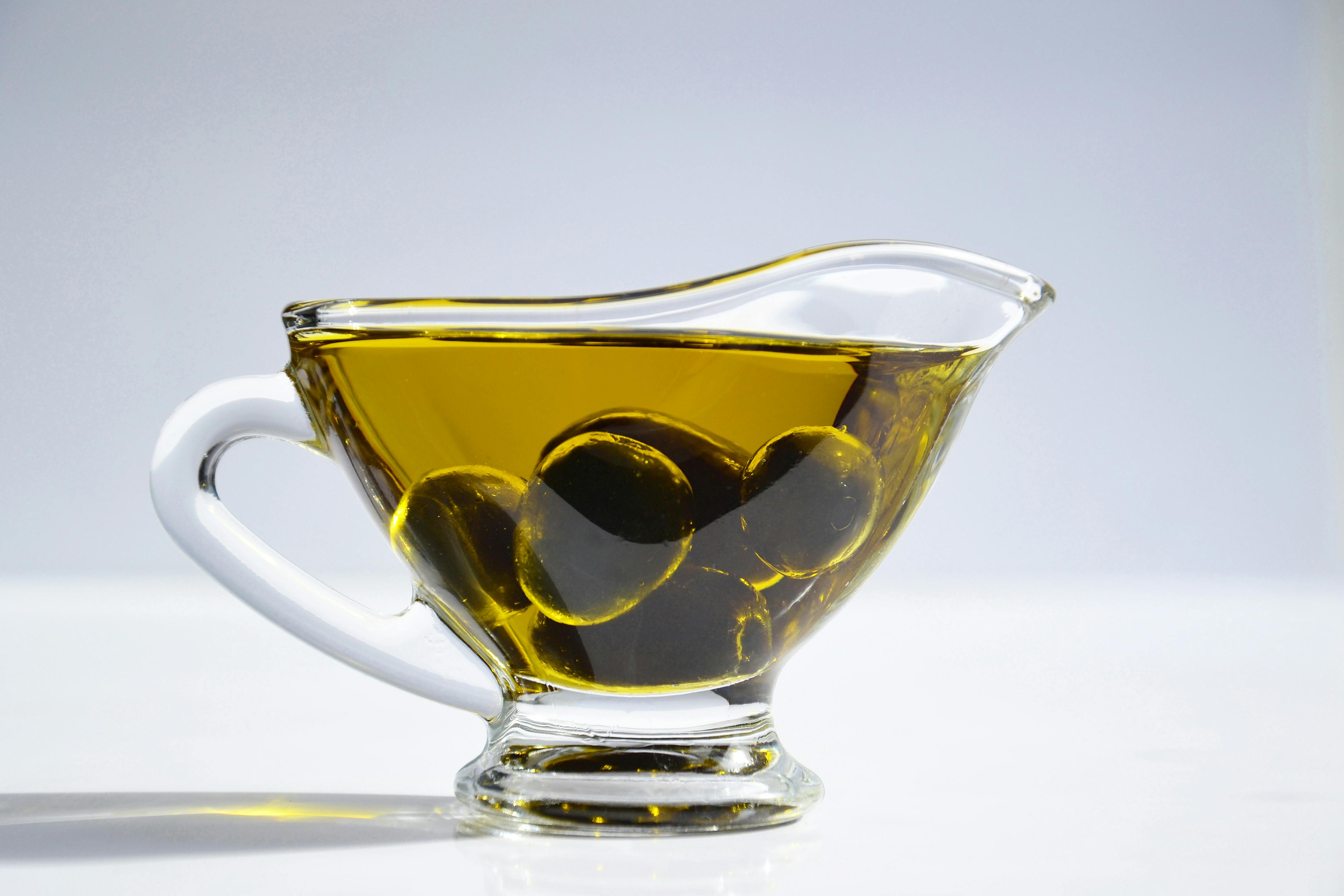
Sometimes you open your pantry, reach for the olive oil... and it's gone. Before you panic mid-recipe, you might be eyeing that bottle of grapeseed oil and wondering—can it step in and save the dish?
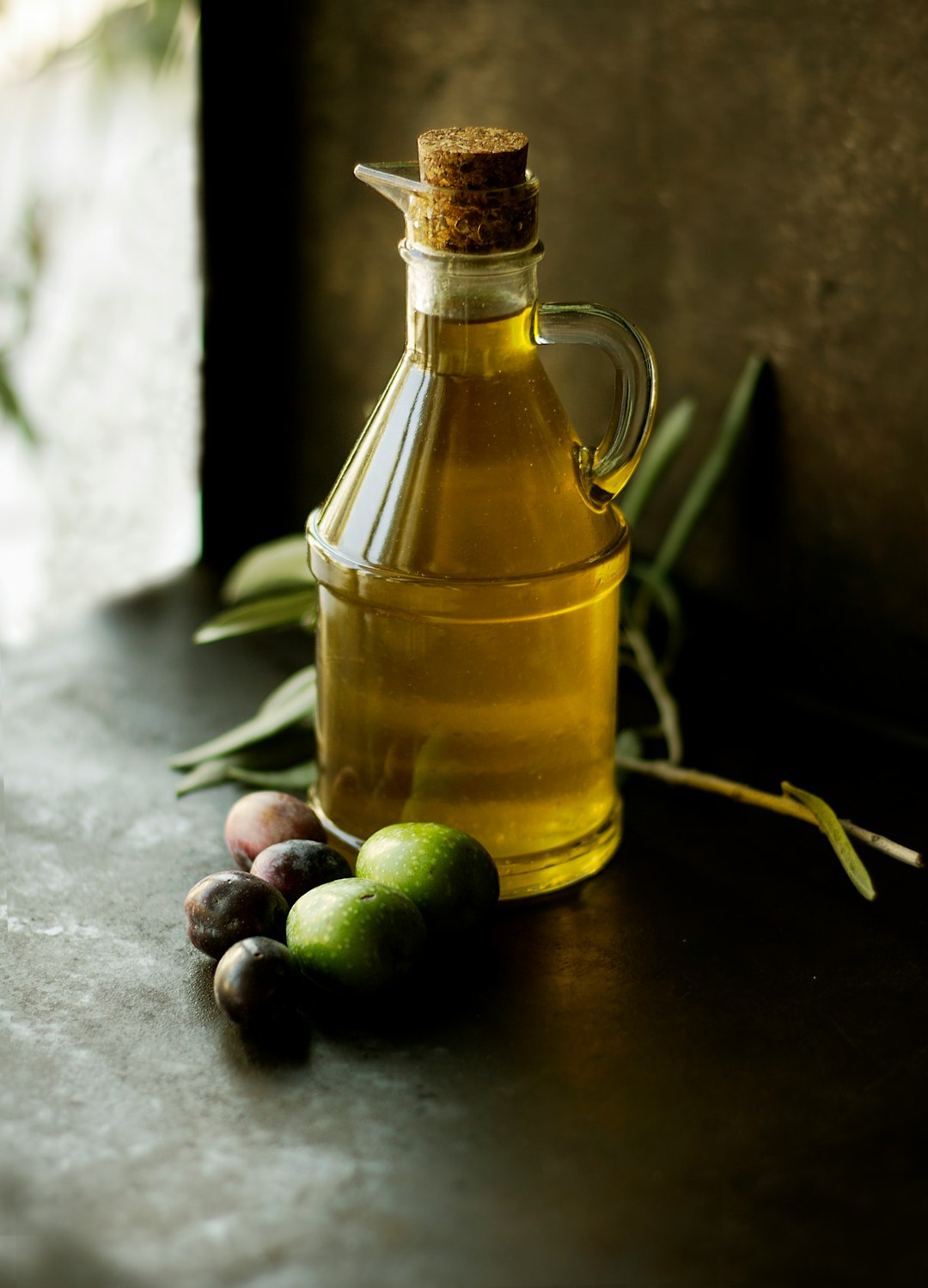
Let’s start with the basics. Olive oil is made from pressed olives and comes with a rich, fruity flavor—especially in the extra virgin variety. Grapeseed oil, on the other hand, is a byproduct of wine-making; it's extracted from grape seeds and has a much lighter, more neutral taste.
| Oil | Flavor | Smoke Point |
|---|---|---|
| Olive Oil | Fruity, robust (varies by type) | 375–410°F |
| Grapeseed Oil | Light, neutral | 420°F |

Grapeseed oil's high smoke point makes it a great substitute in high-heat cooking—sautéing, roasting, even stir-frying. Its clean flavor doesn’t interfere with herbs or spices, which can actually let your ingredients shine.
It's also useful in homemade mayonnaise, salad dressings, or anything that calls for a more subtle oil. If olive oil’s strong flavor isn’t essential to the dish, grapeseed can step in without turning any heads.

If you're working with Mediterranean recipes or dishes that rely on the unique, rich flavor of olive oil—like a classic bruschetta or warm herbed focaccia—you might miss the depth olive oil brings. In these cases, grapeseed oil may be a little too mild to carry the character of the dish.

Both oils are heart-healthy, but they shine in different ways. Olive oil is rich in monounsaturated fats and boasts antioxidants like polyphenols, which are linked to reduced inflammation. Grapeseed oil, meanwhile, is higher in polyunsaturated fats and vitamin E, which is great for skin and cell health.
It’s not about one being better than the other—it’s about choosing the right oil for the job.
Have you ever swapped oils in a recipe? How did it turn out? Share your experiences in the comments below!
Yes, grapeseed oil can be used as a substitute for olive oil in most recipes. It has a mild flavor and a high smoke point, making it suitable for sautéing, frying, and baking. However, it lacks the distinct taste of olive oil.
Grapeseed oil has a neutral flavor and high smoke point, ideal for high-heat cooking, while olive oil offers a more robust flavor and is often chosen for its health benefits. Olive oil also contains more antioxidants and vitamins.
While both oils have health benefits, olive oil is generally considered healthier due to its higher levels of antioxidants and vitamins. Grapeseed oil is lower in saturated fats but lacks the extensive nutrients found in extra virgin olive oil.
Avoid substituting grapeseed oil for olive oil in recipes where the robust flavor of olive oil is essential, such as dressings, dips, or Mediterranean dishes. Grapeseed oil's neutral taste might not provide the desired depth of flavor.
Grapeseed oil is best for high-temperature cooking methods like frying, roasting, and grilling due to its high smoke point. It’s also a great base for marinades and mayonnaise because of its neutral flavor.
By now, you're probably intrigued by the culinary possibilities grapeseed oil might bring to your kitchen. Whether you're ready to experiment or stick to your trusty olive oil, we're here to sprinkle a little inspiration and help along the way. Cooking up something new? We'd love to see your creations! Join us over on Instagram where we share the latest tips and mouthwatering pictures. Or maybe you have a secret recipe or tip you'd like to share? Pop over to our Facebook page for a cozy chat. And if you're hunting for more kitchen hacks and foodie inspiration, don't forget to check out our boards on Pinterest. Let's keep the conversation sizzling!