Ever felt like your chest tightness or shortness of breath might be something more than stress? For some people, it turns out a physical problem like a hiatal hernia could be playing tricks on their mental health too.
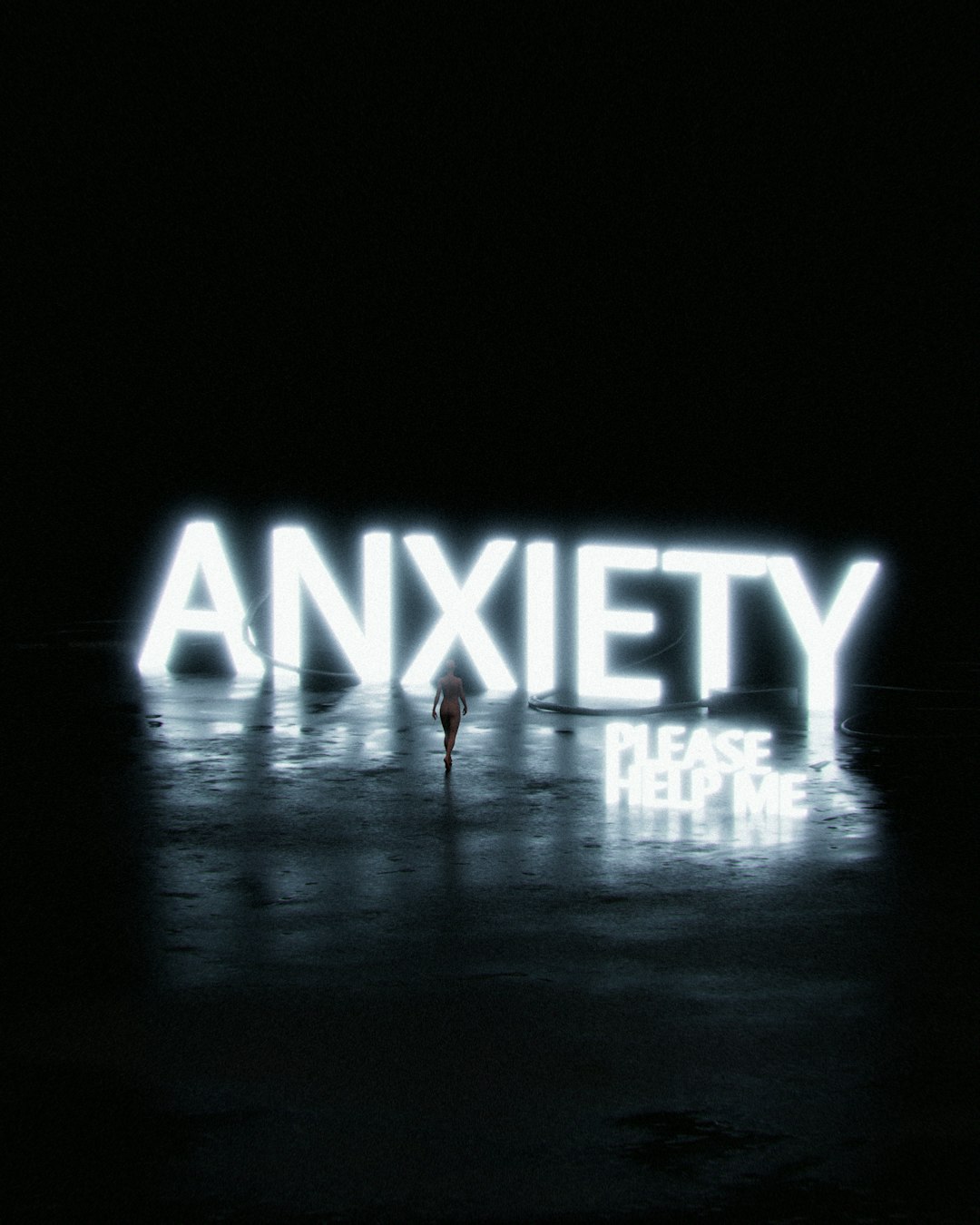
A hiatal hernia happens when a part of your stomach bulges up through your diaphragm into your chest. Normally, the diaphragm keeps the stomach in place, but when this barrier weakens or gets strained, the stomach can push through—this is when issues start. Symptoms can include acid reflux, heartburn, chest discomfort, and even difficulty swallowing. But what catches a lot of people off guard is the emotional side of things—unexpected anxiety.

It might seem odd, but there's growing conversation around how a hiatal hernia can affect your nervous system. When the hernia presses on the vagus nerve—one of the main nerves controlling your parasympathetic nervous system—it can send your body into overdrive. This activation mimics anxiety symptoms like palpitations, shortness of breath, chest tightness, and a general feeling of unease or panic.
On top of that, GERD (gastroesophageal reflux disease) often coexists with hiatal hernias, and the symptoms—especially heartburn and chest pain—can easily be mistaken for heart-related or anxiety-driven issues. That overlap can make it hard to tease out what’s physical and what’s emotional.

The tricky part is how closely the symptoms of a hiatal hernia and anxiety can resemble each other. Here’s a quick comparison to show where they intersect:
| Hiatal Hernia | Anxiety | Shared Symptoms |
|---|---|---|
| Heartburn | Restlessness | Chest tightness |
| Bloating | Panic attacks | Shortness of breath |
| Indigestion | Racing heart | Nausea |

If you suspect your anxiety might be tied to an undiagnosed hiatal hernia, it’s worth speaking with a healthcare provider. Managing this condition often calls for a two-pronged approach: treating the hernia (through medication, diet, or even surgery in severe cases), and supporting mental health through therapy, breathwork, or anxiety-reducing habits.
Some holistic practitioners even suggest that repositioning techniques or abdominal massage can help reduce pressure on the diaphragm and vagus nerve, easing both physical and emotional symptoms. It’s not a quick fix, but for many, recognizing the connection is the first step toward real relief.
Have you experienced anxiety that you later found out was linked to a physical issue like a hiatal hernia? Share your story in the comments—we’d love to hear how you managed it!
Yes, a hiatal hernia can contribute to anxiety. When the stomach protrudes into the esophagus, it can affect the diaphragm and nearby organs, potentially leading to symptoms such as heart palpitations, shortness of breath, and acid reflux, all of which may provoke anxiety.
The vagus nerve, which helps regulate bodily systems, can be irritated by the pressure from a hiatal hernia. This irritation might result in symptoms such as nausea, heart palpitations, or increased anxiety, due to its role in controlling stress responses and digestion.
Common symptoms of a hiatal hernia include heartburn, acid reflux, difficulty swallowing, chest pain, shortness of breath, and sometimes gastrointestinal discomfort. Severe symptoms may increase emotional and physical stress, potentially leading to heightened anxiety.
Managing anxiety can positively impact hiatal hernia symptoms. Techniques such as deep breathing, meditation, and stress management can help reduce stress on the diaphragm and digestive system, potentially improving associated symptoms like reflux or palpitations.
Lifestyle changes like eating smaller meals, avoiding trigger foods, staying upright after meals, and incorporating stress management practices can help alleviate symptoms of a hiatal hernia and reduce anxiety.
As we navigate the complexities of conditions like hiatal hernia and their surprising links to anxiety, it's essential to keep the conversation going and share our experiences. We’d love to hear your thoughts and stories, and keep you updated with more insights and tips. Why not join us on our journey? Follow us on Pinterest for a visual feast of informative infographics and healthy lifestyle ideas. If Instagram is more your scene, check out our Instagram for daily doses of inspiration and behind-the-scenes peeks. And of course, let’s chat on Facebook; visit our Facebook page where we regularly dive deeper into topics like these with our amazing community. We can't wait to connect with you and explore the intertwined paths of physical and mental health together.