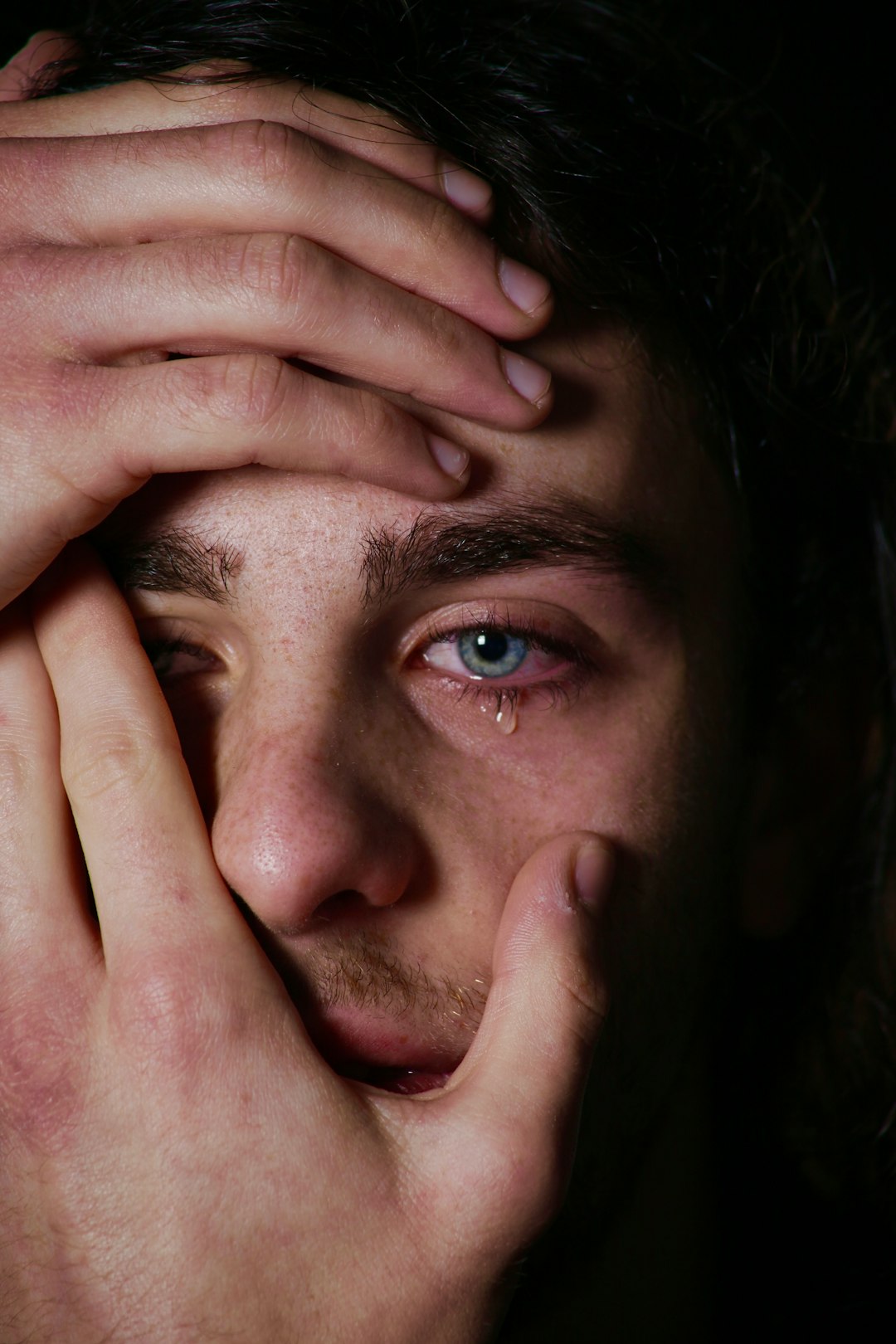
Ever cried so hard you had to check the mirror afterward? You're not alone—and yes, your skin definitely notices when the tears start flowing.
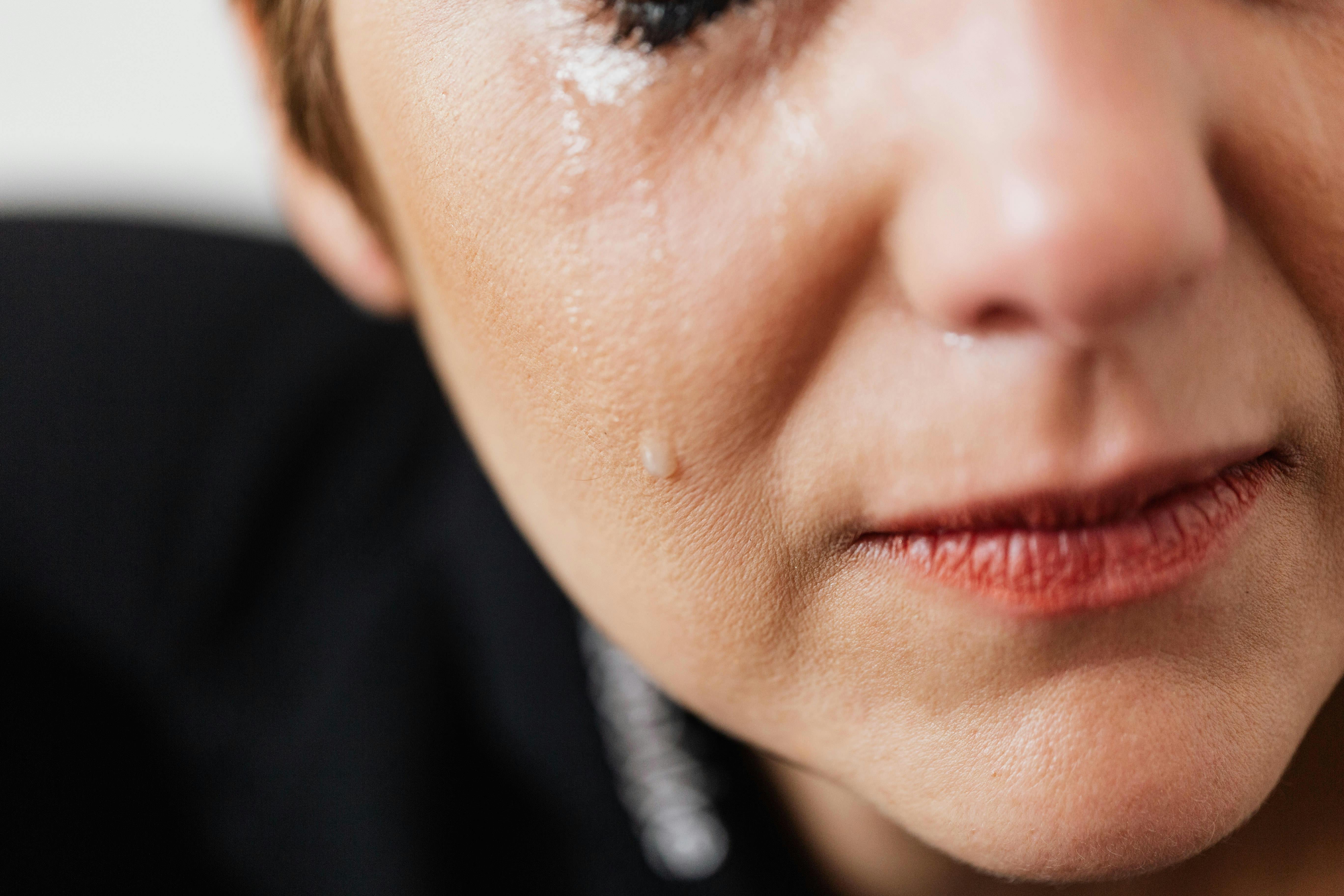
When you cry, it's not just your emotions that are going through it. Your skin's upper layers can feel the impact too. Tears contain salt, and when those salty droplets sit on your skin for too long, they can lead to dryness and irritation. You might notice redness around your eyes, puffiness in your cheeks, or even a tight, slightly itchy sensation.
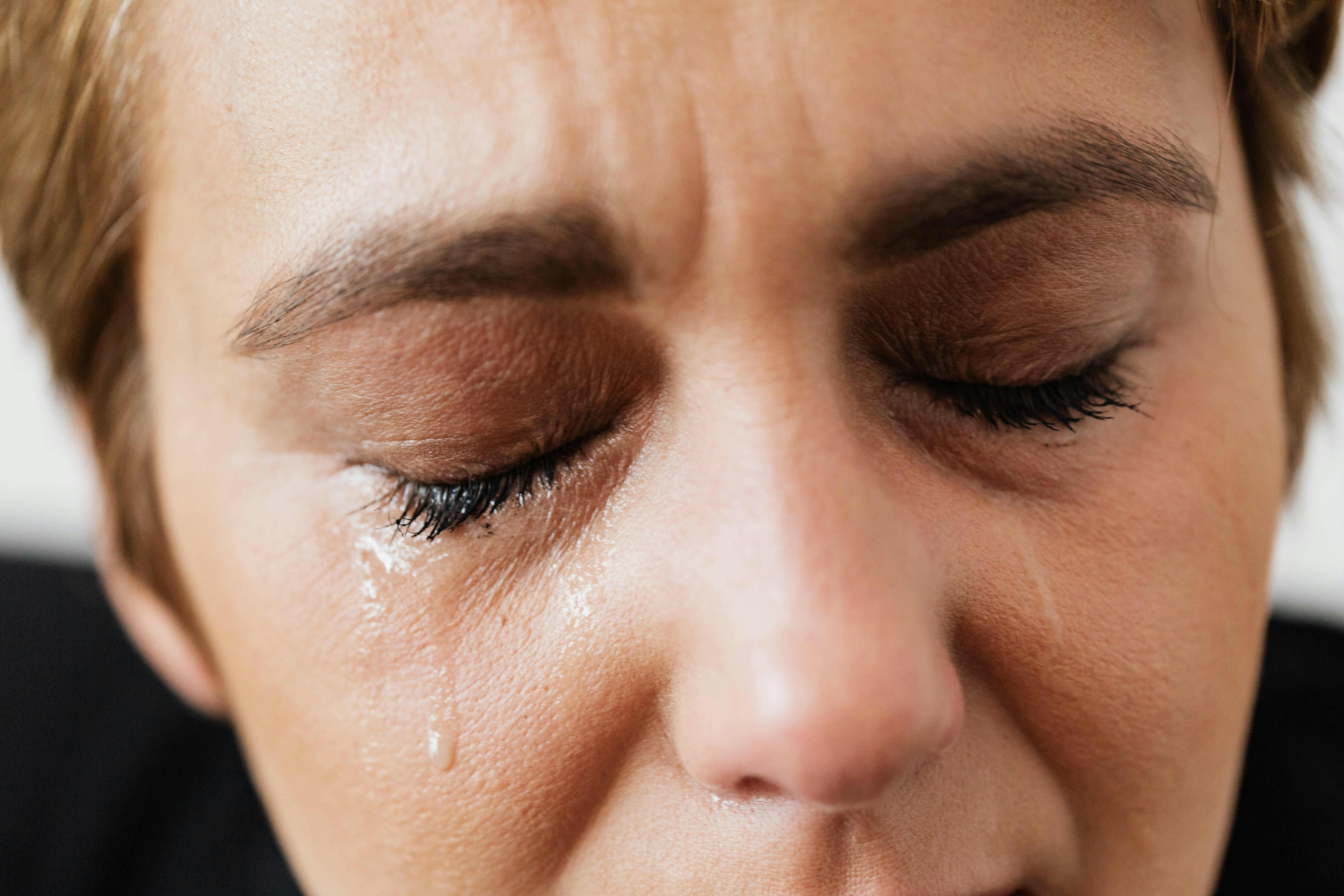
Swollen eyes after crying? That’s your body’s response to increased blood flow and fluid retention around the eye area. Long crying sessions can cause tiny blood vessels to dilate and leak, which contributes to puffiness and even temporary under-eye shadowing.
Here's a quick look at common skin changes after crying:
| Skin Reaction | Cause | How to Soothe |
|---|---|---|
| Redness | Increased blood flow from emotional stress | Cool compress or splash of cold water |
| Dryness/Irritation | Salt in tears disrupting skin’s moisture balance | Apply a hydrating moisturizer |
| Puffy Eyes | Fluid retention under the eyes | Use chilled spoons or an eye roller |
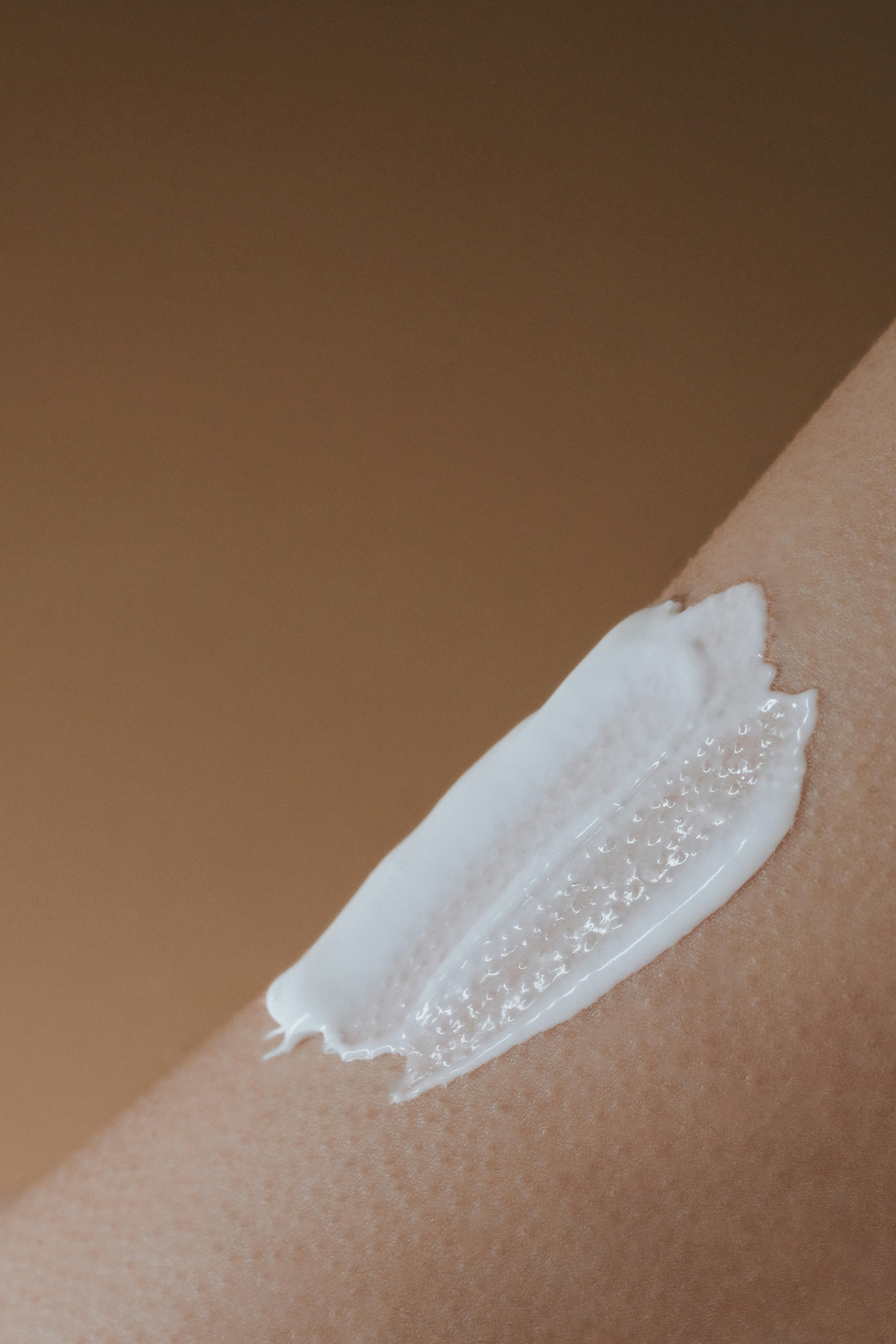
Good news: occasional crying won’t ruin your skin. But if you’re tearing up frequently due to stress or emotional strain, it could interfere with your skin’s natural barrier function over time. Alongside your emotional self-care, think about rehydrating your skin and getting some rest after a good cry.
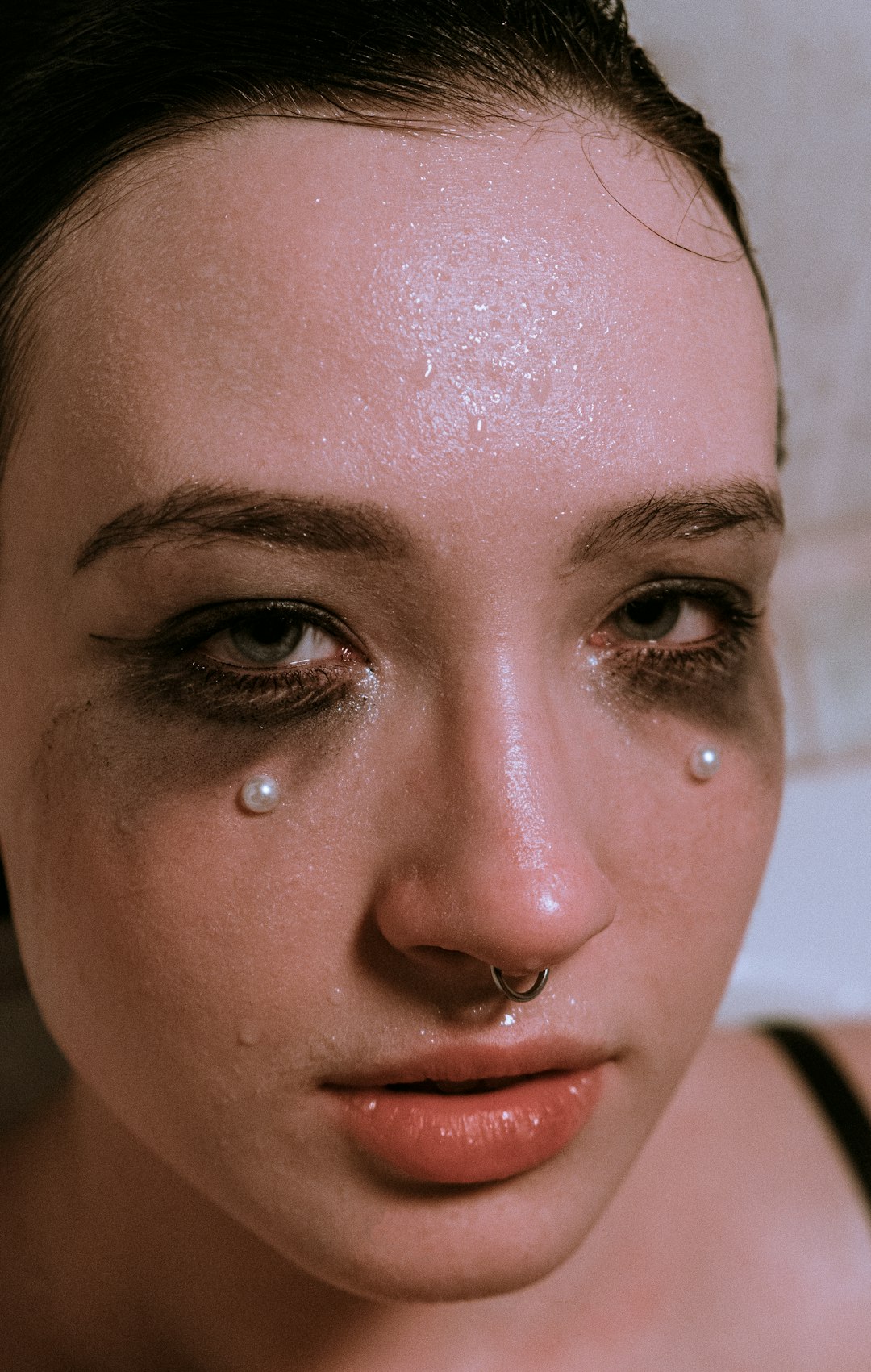
If you cry with makeup on, your skin can take an even harder hit. Mascara and foundation mixed with tears can clog pores or cause breakouts around sensitive eye and cheek areas. Always gently cleanse your face and moisturize after crying in makeup—it’s like giving your skin a hug.
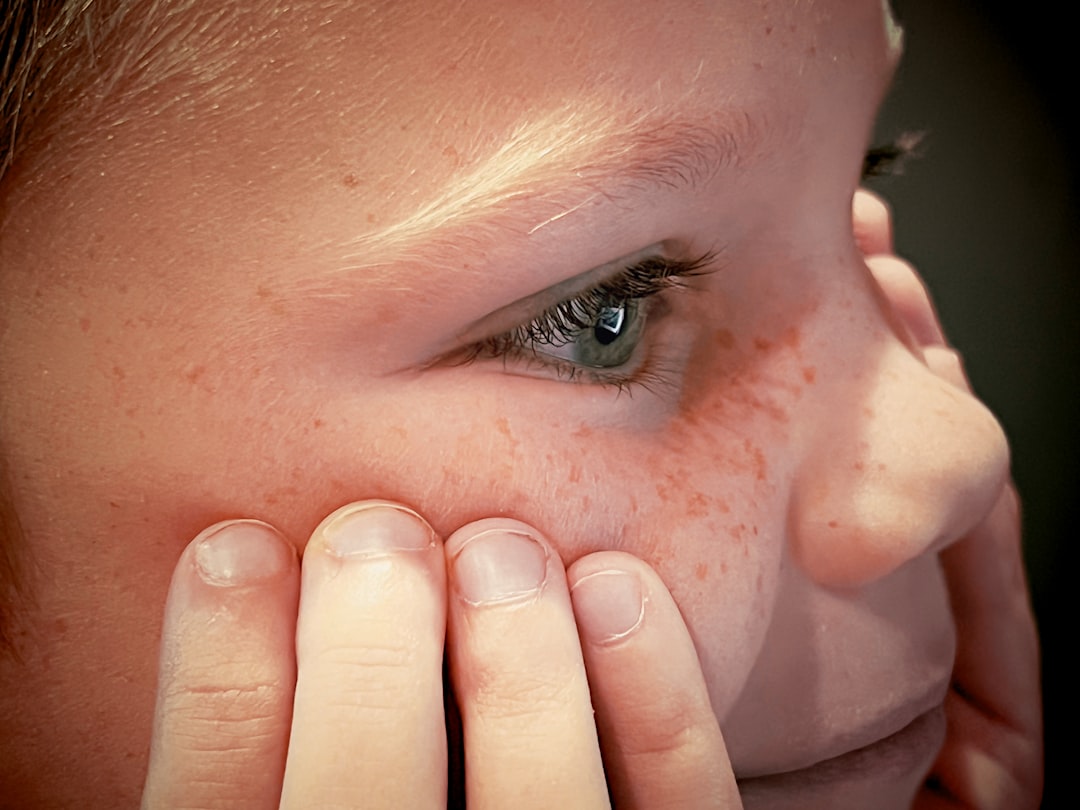
Here’s a silver lining: crying triggers the release of stress hormones and can help regulate mood. That can actually reduce stress-induced skin problems like acne flare-ups and dullness. So, while crying may cause short-term puffiness or redness, in the grander scheme, it might be doing your skin a favor emotionally.
Ever noticed a strange skin reaction after crying? Or have a go-to ritual for recovering your glow afterward? Share it in the comments!
Crying has mixed effects on your skin. While it may provide an emotional release that promotes stress relief, prolonged exposure to tears could disturb your skin's hydration balance. Tears have a different pH compared to your skin, which could lead to mild irritation if left unwashed.
Your skin might appear to glow after crying due to increased blood flow and hydration from tears. The act of crying can also lower stress hormones, which may temporarily improve your complexion. However, this effect is short-lived.
Crying can hydrate your skin momentarily, but a prolonged tear film on your face could disrupt your skin's natural barrier and cause irritation. Washing your face gently after crying can mitigate these effects and maintain skin health.
Crying helps reduce stress by releasing hormones like oxytocin and endorphins, which can indirectly benefit your skin by reducing stress-related conditions like acne. However, direct benefits to skin health are minimal.
After crying, it is recommended to gently wash your face with lukewarm water to remove tear residue and restore your skin's pH balance. Applying a hydrating moisturizer can also help soothe the skin and prevent dryness.
So, the next time you find yourself wiping away tears, remember you're not just releasing emotions but also engaging in a fascinating interaction between your tears and your skin. If you've enjoyed uncovering these surprising insights, let's stay connected! Follow us on Pinterest where we pin more skin and wellness tips, or join our community on Instagram for a peek into our daily doses of lifestyle inspiration. And of course, don't forget to like our page on Facebook for the latest updates and feel-good content. We'd love to hear your thoughts and even see how you tackle those tearful moments in style!